01. introduction
01. introduction
01. introduction
Designing Against Misinformation
Designing Against Misinformation
Year
2025
My Role
UX Designer
UI Designer
Researcher
Tools
Figma
Maze
Adobe Photoshop
Adobe Illustrator
Year
2025
My Role
UX Designer
UI Designer
Researcher
Tools
Figma
Maze
Adobe Photoshop
Adobe Illustrator
Year
2025
My Role
UX Designer
UI Designer
Researcher
Tools
Figma
Maze
Adobe Photoshop
Adobe Illustrator
Overview
Overview
Misinformation doesn’t spread because people are careless — it spreads because platforms make
reacting easier than understanding.
On Instagram, posts move fast. Context doesn’t.
And without context, even thoughtful people can fall for confident-looking falsehoods.
On Instagram, posts move fast. Context doesn’t.
And without context, even thoughtful people can fall for confident-looking falsehoods.
On Instagram, posts move fast. Context doesn’t.
And without context, even thoughtful people can fall for confident-looking falsehoods.
Originally created for my Master’s thesis, this project
Originally created for my Master’s thesis, this project
Originally created for my Master’s thesis, this project
explored how
explored how
explored how
thoughtful design can boost clarity,
thoughtful design can boost clarity,
thoughtful design can boost clarity,
trust, and decision-making
trust, and decision-making
trust, and decision-making
— all without adding
— all without adding
— all without adding
friction to the Instagram experience.
friction to the Instagram experience.
friction to the Instagram experience.
The result is a set of product interventions grounded
The result is a set of product interventions grounded
The result is a set of product interventions grounded
in
in
in
cognitive psychology
cognitive psychology
cognitive psychology
— tools that add
— tools that add
— tools that add
clarity,
clarity,
clarity,
context, and healthy friction
context, and healthy friction
context, and healthy friction
to a platform built for
to a platform built for
to a platform built for
speed.
speed.
speed.
Where did it lead me?
Where did it lead me?
So I put the pixels aside and picked up the research — with a mission to make Netflix feels way
Across the board, users made better judgements — higher trust, slower sharing, deeper context engagement, and 100% accuracy in spotting false posts.
02. Understanding the problem
02. Understanding the problem
02. Understanding the problem
Why does the truth feel harder to spot than the lie?
Why Are We Still Scrolling Endlessly?
Most misinformation doesn’t trick people because it’s clever — it spreads because everything online looks equally credible. Headlines, opinions, facts, memes, and statistics all blended together in a feed designed for speed, not certainty. People don’t need more content. They need more clarity, more context, and less guessing every time they scroll.
Most misinformation doesn’t trick people because it’s clever — it spreads because everything online looks equally credible. Headlines, opinions, facts, memes, and statistics all blended together in a feed designed for speed, not certainty. People don’t need more content. They need more clarity, more context, and less guessing every time they scroll.
The real problem isn’t misinformation.
It’s the absence of cues that help people judge it.
The real problem isn’t misinformation.
It’s the absence of cues that help people judge it.
The real problem isn’t misinformation.
It’s the absence of cues that help people judge it.
No unified credibility cues
No unified credibility cues
No unified credibility cues
No way to quickly verify a claim inside the feed
No way to quickly verify a claim inside the feed
No way to quickly verify a claim inside the feed
No context unless users leave the platform
No context unless users leave the platform
No context unless users leave the platform
No clear distinction between fact, opinion, and manipulation
No clear distinction between fact, opinion, and manipulation
No clear distinction between fact, opinion, and manipulation
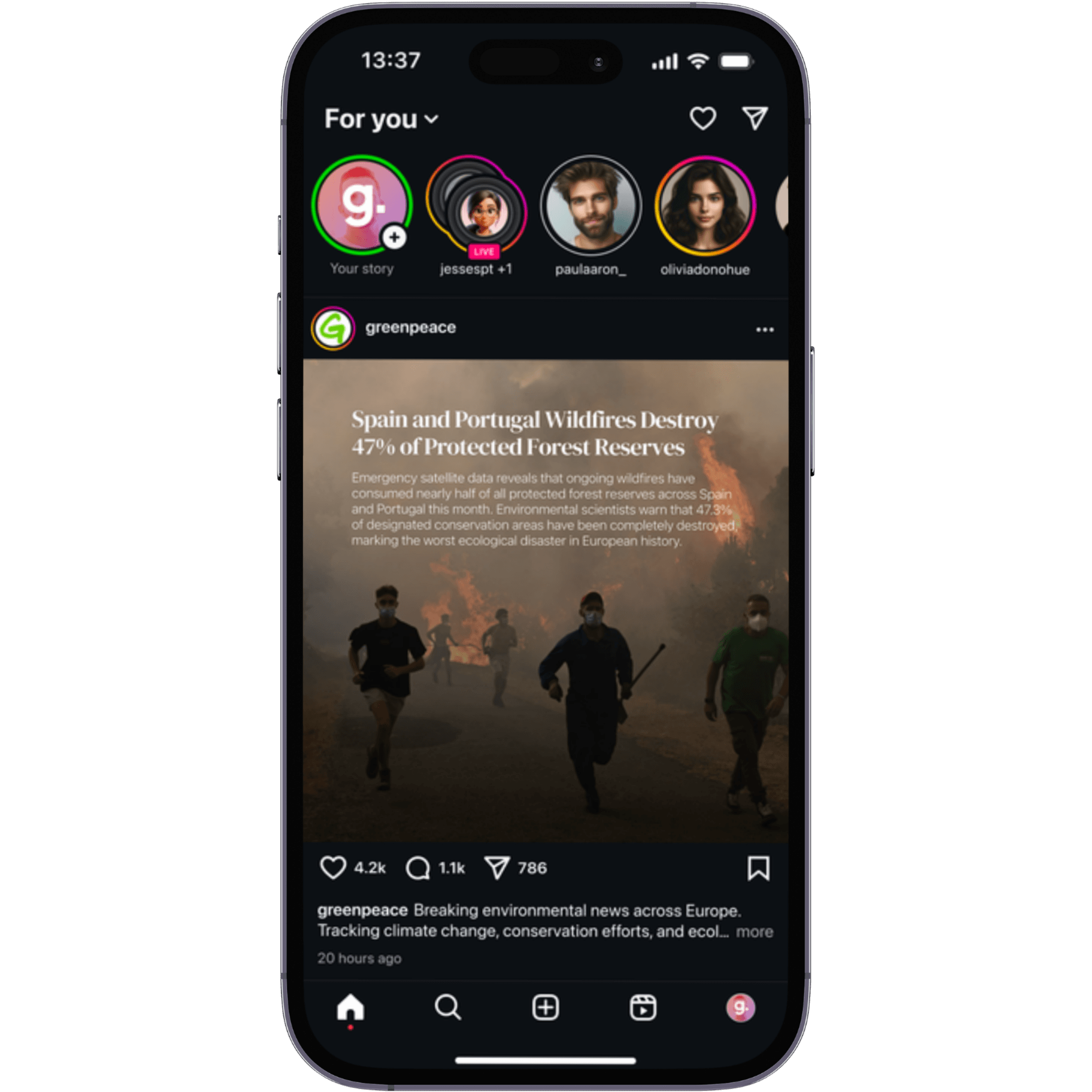
Credibility
Labels
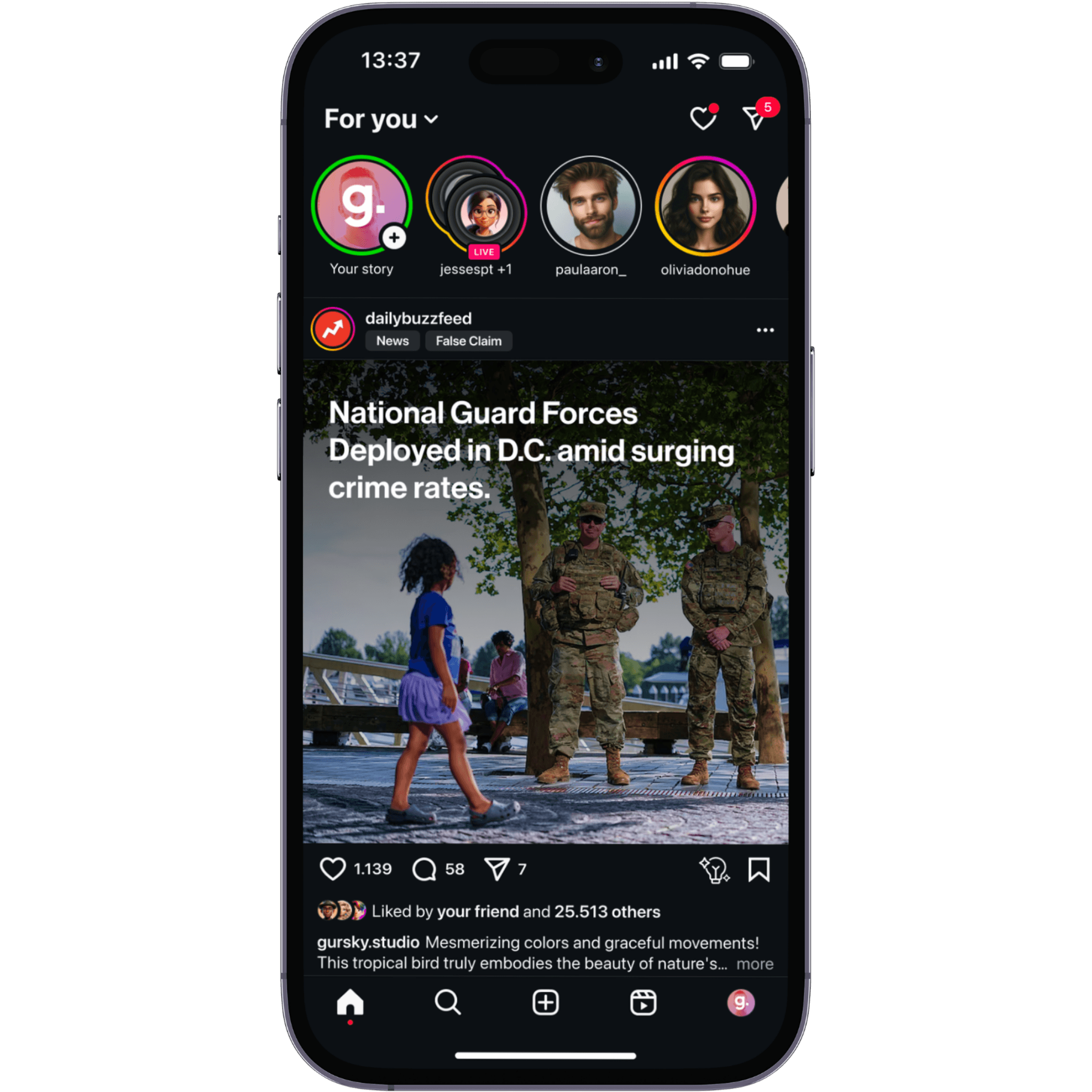
A multi-layer label system that reveals credibility instantly. Every post shows what it is — news, opinion, satire, sponsored, or AI-generated — plus whether it's verified or disputed. Clarity appears exactly where users look first.
One glance.
One glance.
One glance.
Zero
Zero
Zero
searching.
searching.
searching.
Better judgments from the very first second.
Better judgments from the very first second.

Behavioral Science Behind the Design
Behavioral Science Behind the Design
Counteracting Confirmation Bias
Counteracting Confirmation Bias
Early visual cues interrupt snap agreement and encourage evaluation before belief.
Early visual cues interrupt snap agreement and encourage evaluation before belief.
UX Principles
Applied
UX Principles
Applied
F-Pattern Scanning
F-Pattern Scanning
Labels sit in the natural attention path, seen before content is processed.
Labels sit in the natural attention path, seen before content is processed.
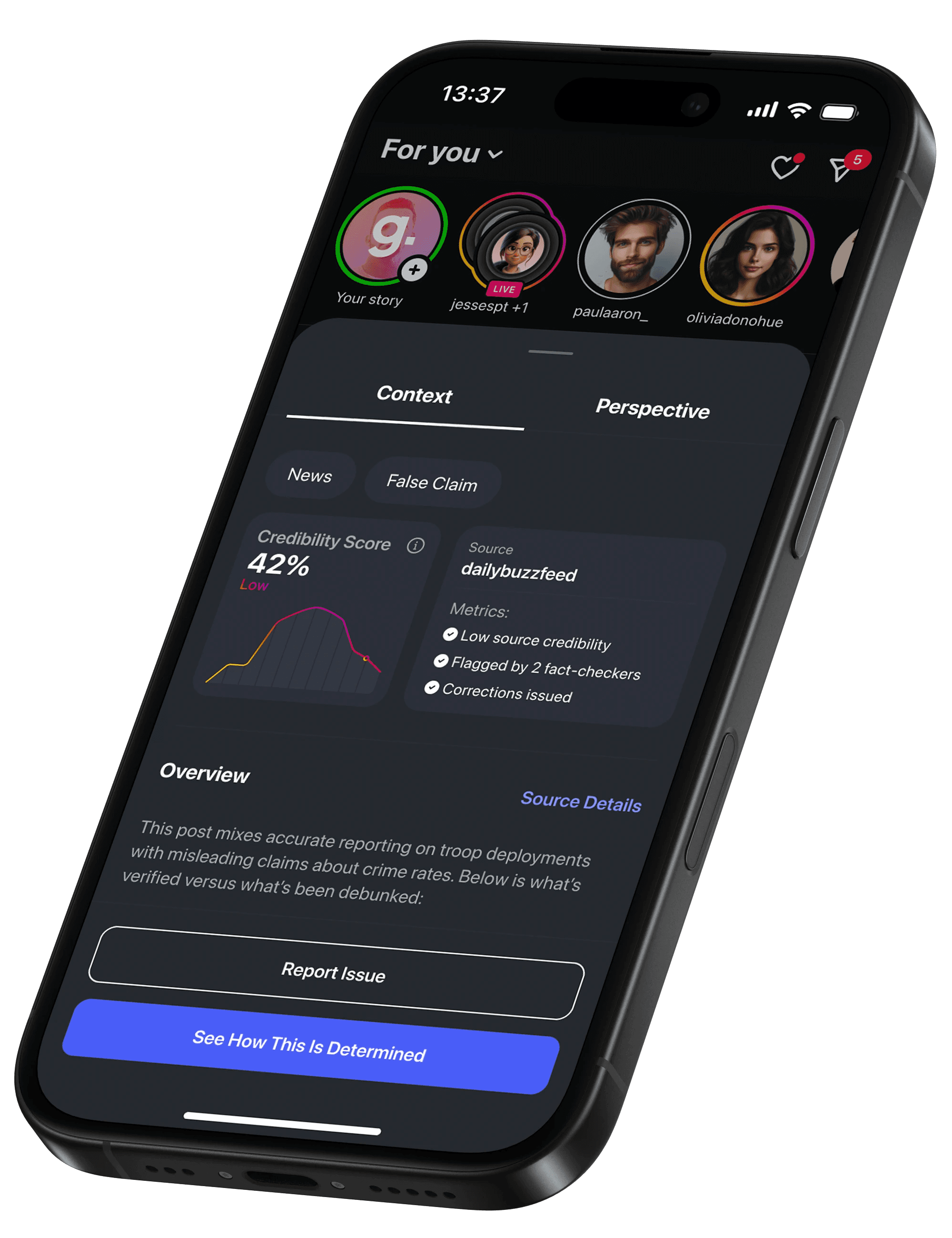
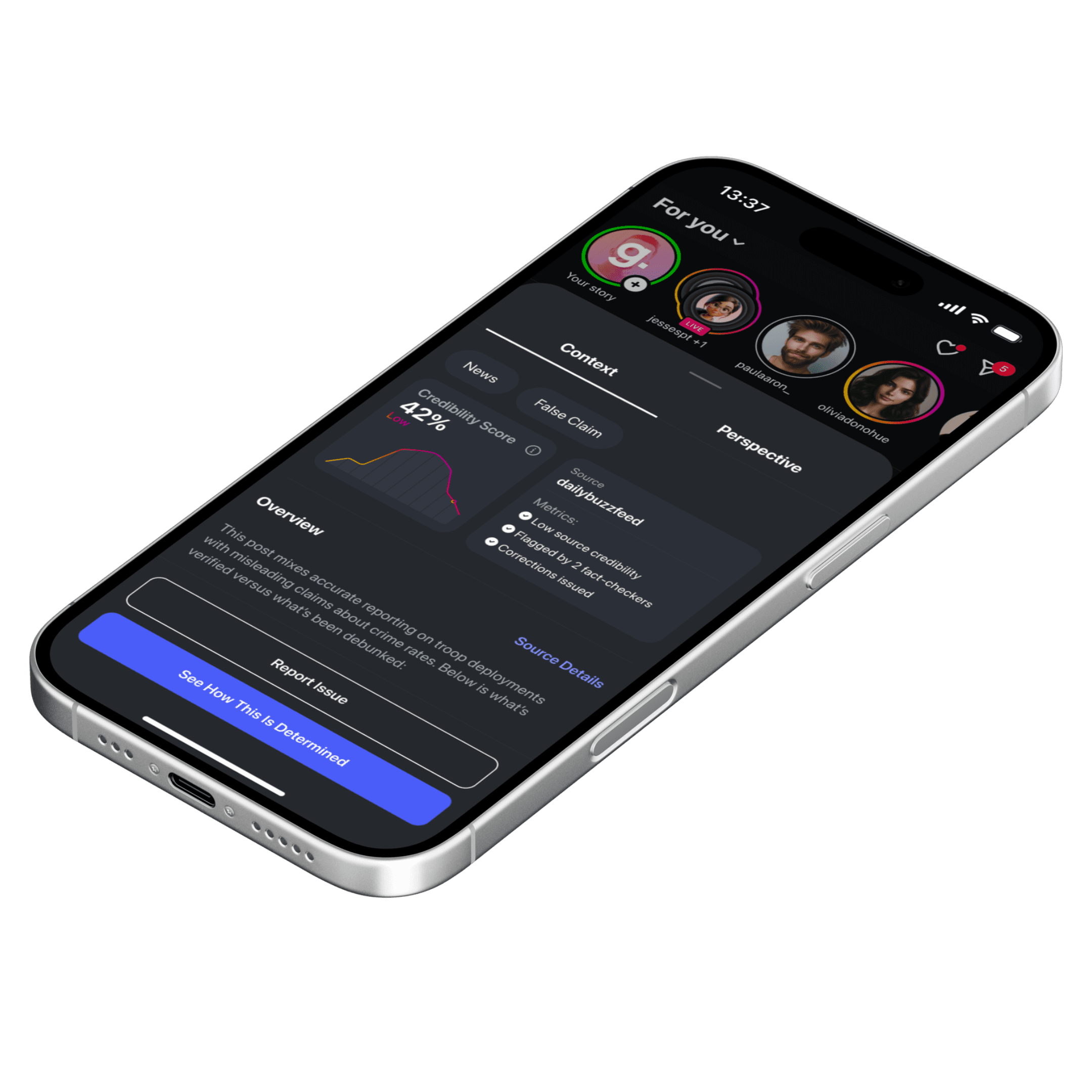
Context
Panel
Context
Panel
Context
Panel
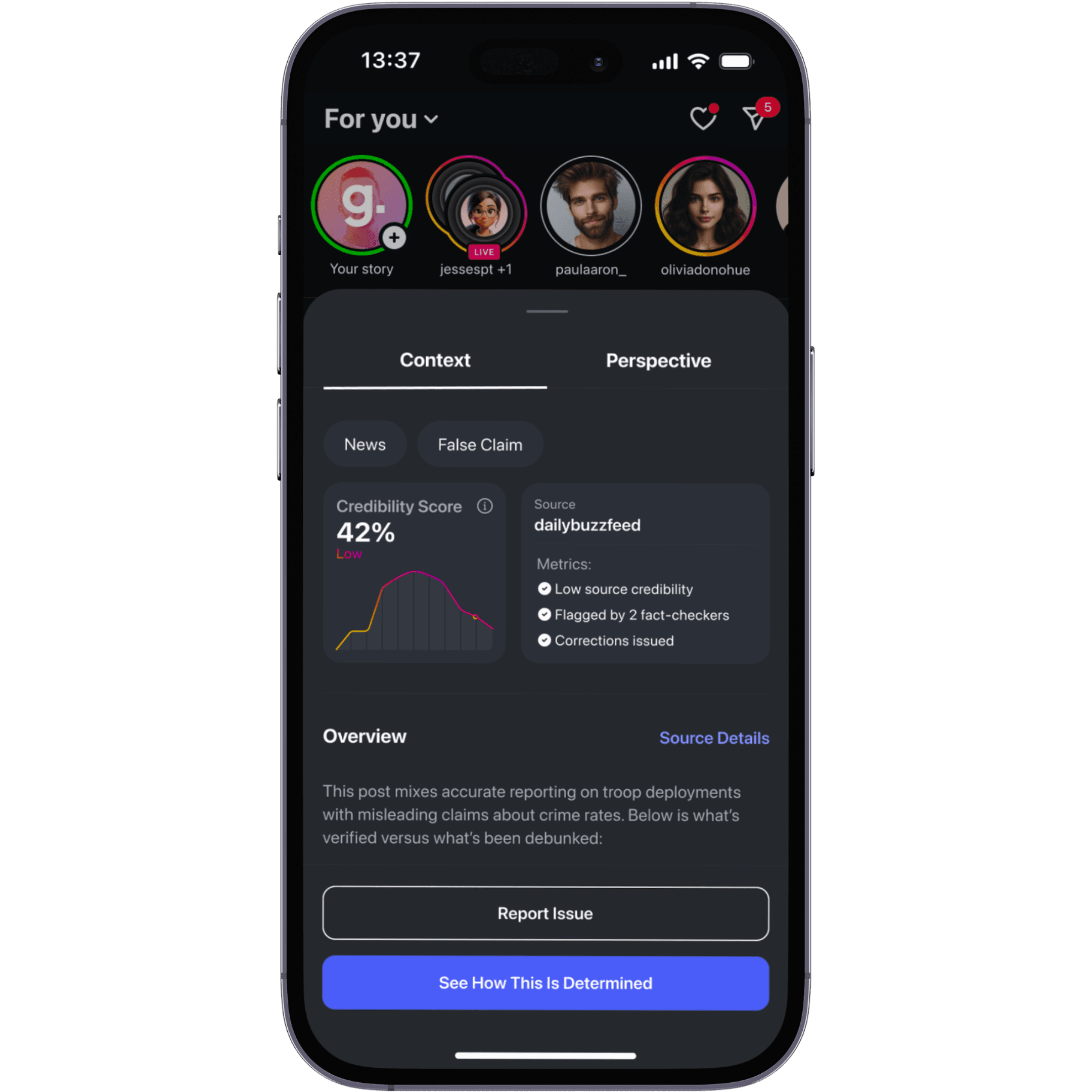
A single, elegant slide-up panel that explains everything: credibility score, true vs false facts, summary, timeline of events, source excerpts, fact-check history, and metadata transparency. One place. Zero guesswork.
No more
No more
No more
switching
switching
switching
apps.
apps.
apps.
Just clarity — baked into the moment it’s needed most.
Just clarity — baked into the moment it’s needed most.
Behavioral Science Behind the Design
Behavioral Science Behind the Design
Cognitive Load Reduction
Cognitive Load Reduction
Summaries & structured truth snippets reduce the mental effort needed to verify information.
Summaries & structured truth snippets reduce the mental effort needed to verify information.
UX Principles
Applied
UX Principles
Applied
Progressive Disclosure
Progressive Disclosure
Depth unfolds only when users choose it — avoiding overwhelm, supporting autonomy.
Depth unfolds only when users choose it — avoiding overwhelm, supporting autonomy.
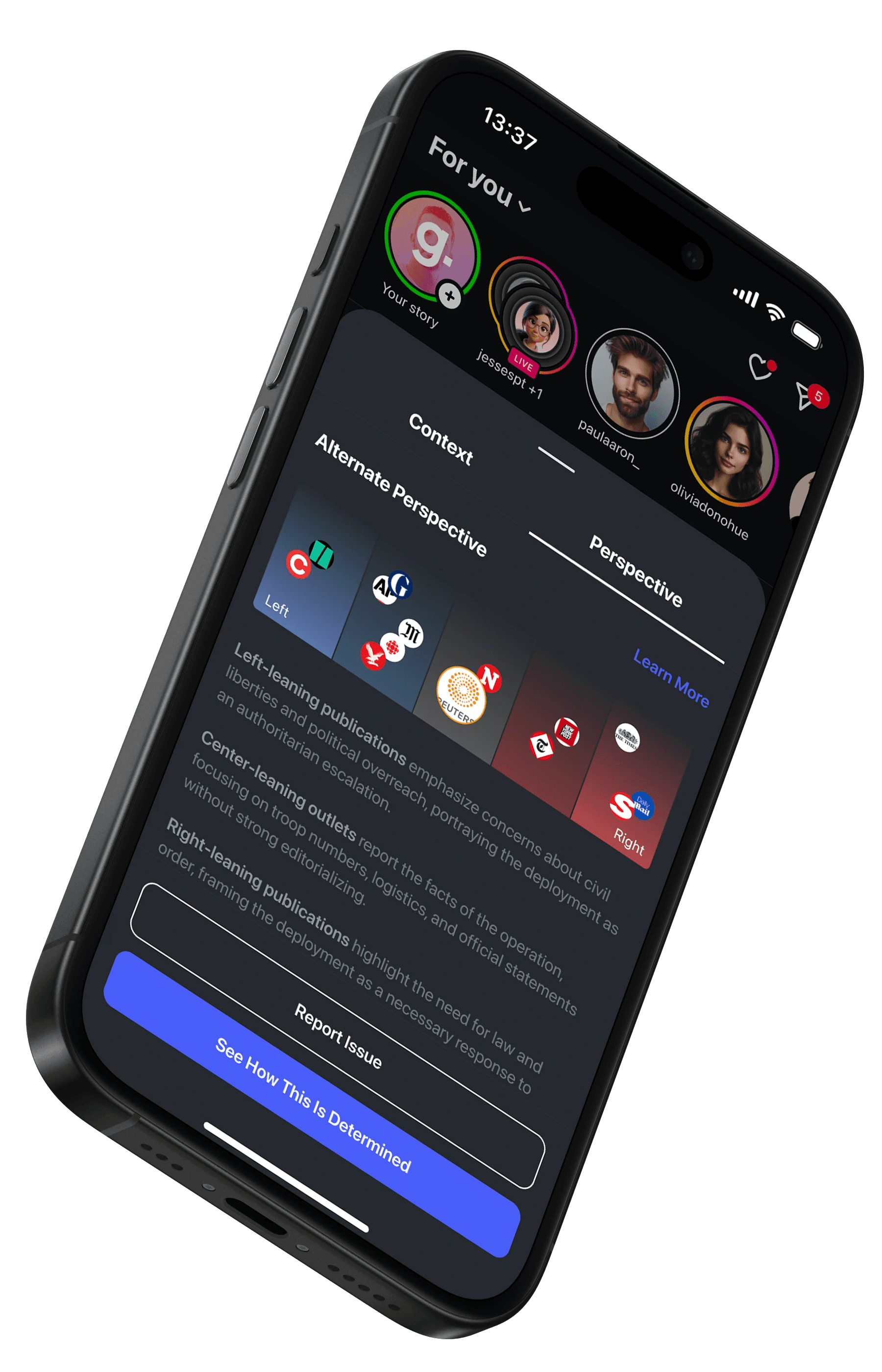
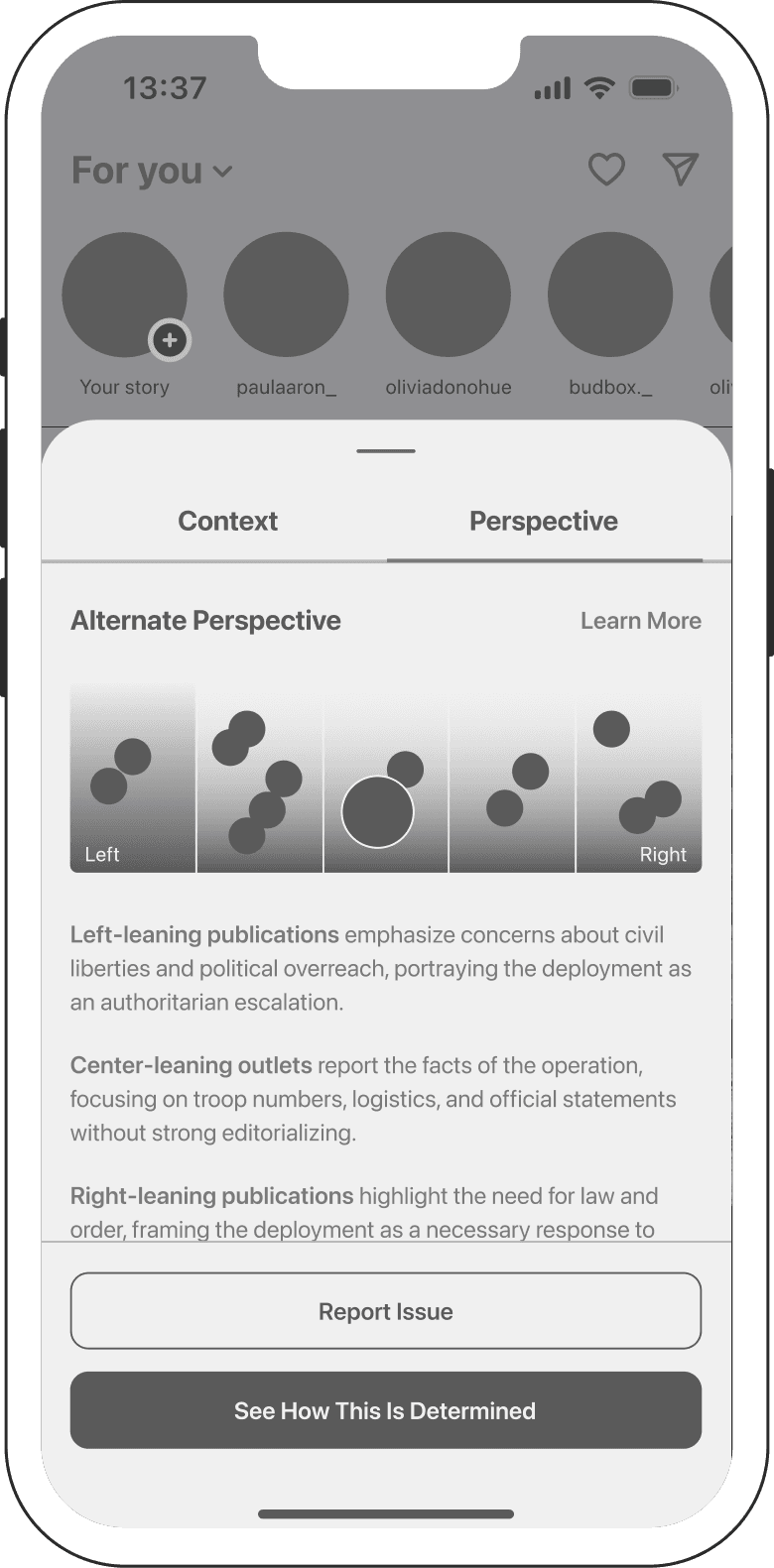
Perspective
View
Downloads,
redesigned.
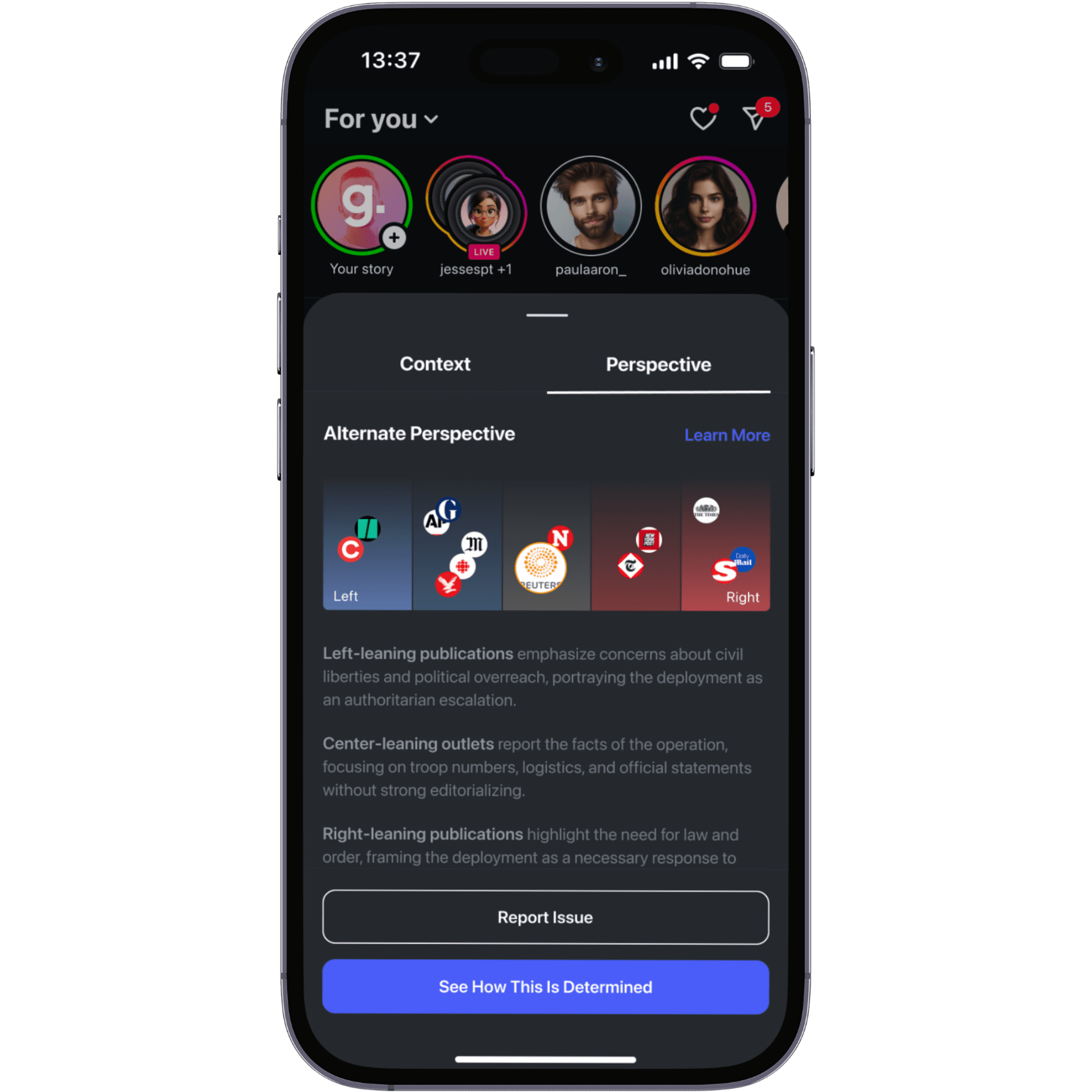
A balanced, scrollable spectrum of viewpoints — Left, Center, Right — each backed by real articles. Helps users understand how different outlets frame the same story.
Not “one truth.”
Not “one truth.”
Not “one truth.”
But the full
But the full
But the full
picture,
picture,
picture,
visible.
visible.
visible.
Users instantly see how different outlets report the same event — without leaving Instagram.
Users instantly see how different outlets report the same event — without leaving Instagram.
Behavioral Science Behind the Design
Behavioral Science Behind the Design
Perspective-Taking
Perspective-Taking
Exposing users to diverse viewpoints reduces polarization and echo-chamber effects.
Exposing users to diverse viewpoints reduces polarization and echo-chamber effects.
UX Principles
Applied
UX Principles
Applied
Comparative Layouts
Comparative Layouts
Structured side-by-side viewpoints increase comprehension.
Structured side-by-side viewpoints increase comprehension.
Score
Transparency
A clear breakdown of how the credibility score was calculated — reputation, fact-check history, metadata transparency, and corrections — all presented visually.
A clear breakdown of how the credibility score was calculated — reputation, fact-check history, metadata transparency, and corrections — all presented visually.
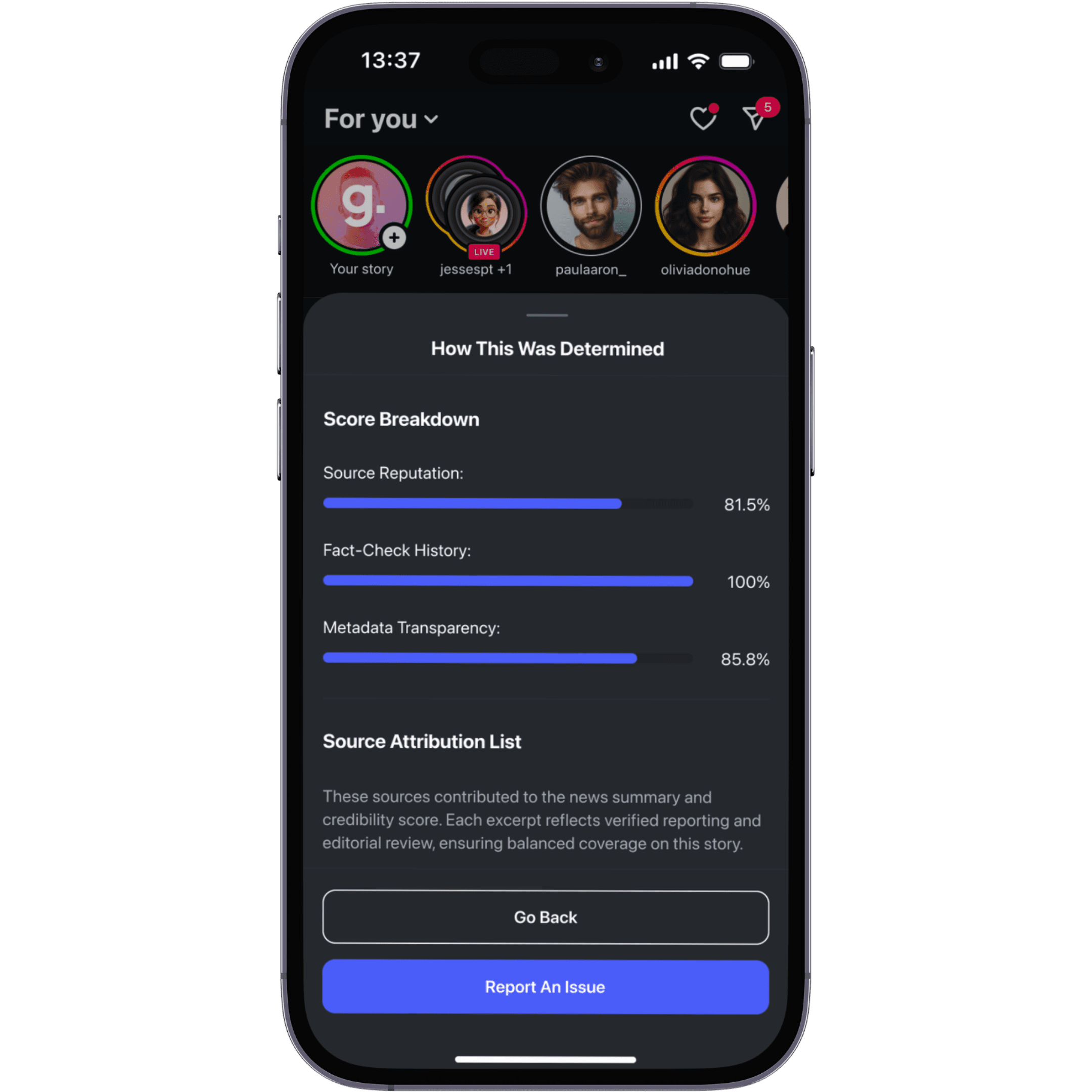
No more
No more
No more
guessing.
guessing.
guessing.
Clean bars. Clear percentages. Excerpts from each source displayed without algorithmic mystery.
Behavioral Science Behind the Design
Behavioral Science Behind the Design
Trust Calibration
Trust Calibration
Transparency increases perceived fairness and reduces skepticism.
Transparency increases perceived fairness and reduces skepticism.
UX Principles
Applied
UX Principles
Applied
Legibility Principle
Legibility Principle
Clear typographic hierarchy improves understanding.
Clear typographic hierarchy improves understanding.
Sharing
Friction
A subtle “before you share” nudge when content is flagged or disputed — lightweight, respectful, and fully skippable, but enough to slow impulsive sharing.
A small pause.
A small pause.
A small pause.
A big
A big
A big
difference.
difference.
difference.
The goal isn't censorship. It’s to improve decision-making.
The goal isn't censorship. It’s to improve decision-making.
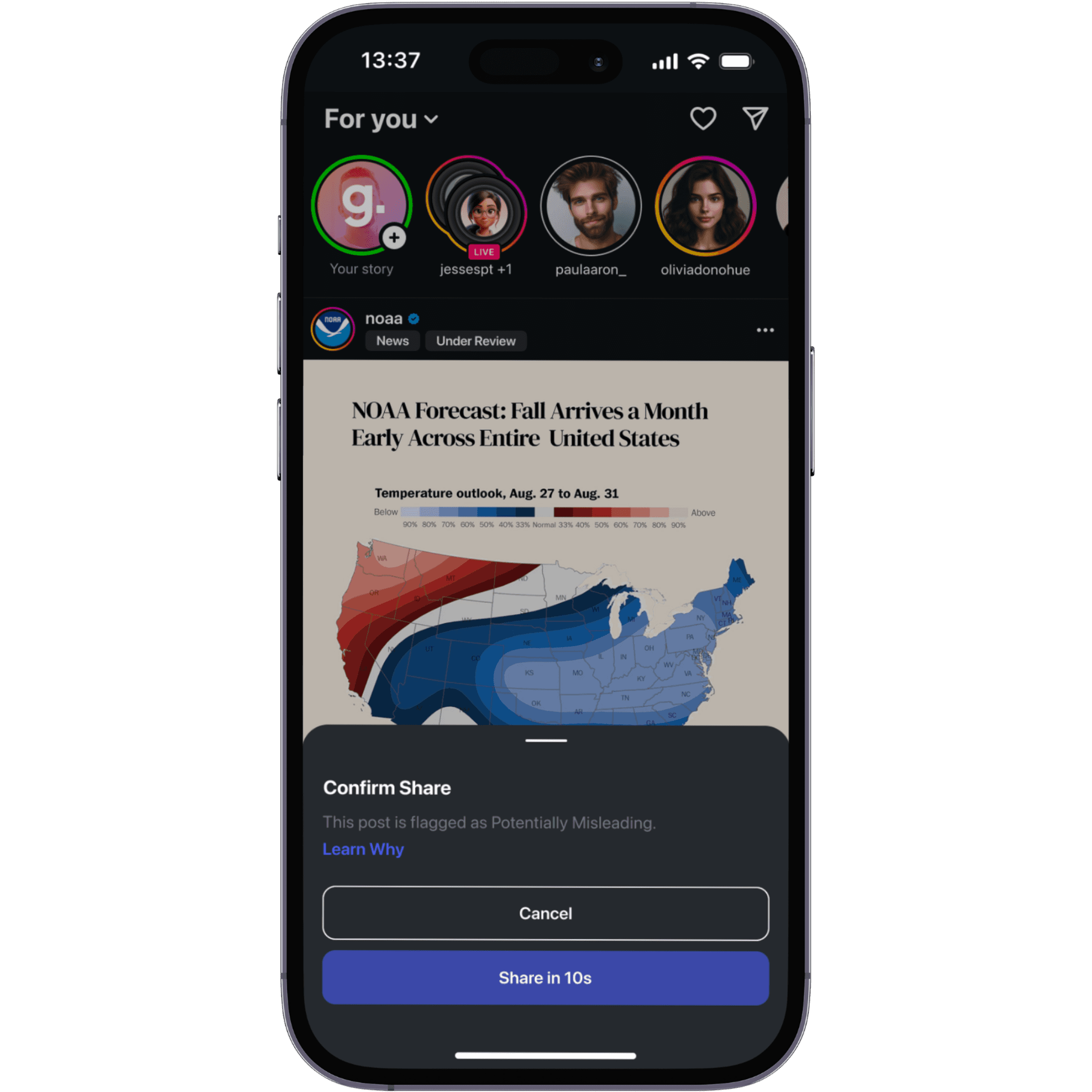
Behavioral Science Behind the Design
Behavioral Science Behind the Design
System 1 → System 2 Shift
System 1 → System 2 Shift
Slows rapid emotional decisions so users think before acting.
Slows rapid emotional decisions so users think before acting.
UX Principles
Applied
UX Principles
Applied
Minimal Interruption Design
Minimal Interruption Design
High-impact friction introduction without breaking flow.
High-impact friction introduction without breaking flow.
03. Methodology
03. Methodology
Listening Before
Designing
Listening Before
Designing
To design against misinformation, I couldn’t start with UI. I had to start with people. Before any pixels were placed, I spent weeks understanding how users interpret posts, form beliefs, verify claims, and navigate a feed where everything looks equally credible. To design interventions that genuinely help people make informed decisions, I needed to observe behaviour in the wild, not just in theory.
To design against misinformation, I couldn’t start with UI. I had to start with people. Before any pixels were placed, I spent weeks understanding how users interpret posts, form beliefs, verify claims, and navigate a feed where everything looks equally credible. To design interventions that genuinely help people make informed decisions, I needed to observe behaviour in the wild, not just in theory.
Surveys &
Interviews
Surveys & Interviews
Surveys &
Interviews
To capture both breadth and depth, I designed a mixed-method user study including Quantitative study (Likert scales, multiple choice, confidence ratings), Qualitative study (Open-ended reflections, scenario-based evaluations) and Behavioural study (Passive observation of scrolling, sharing and reaction cues).
How surveys & user interviews helped
me investigate four core areas:
How people encounter news on social media?
How they judge credibility under cognitive load?
What triggers emotional engagement over rational evaluation?
How platform design shapes belief and sharing behaviour?
Research at a Glance
Research at a Glance
Research at a Glance
Thirty Participants
(Ages 19 - 54)
Making Sense Of The Data
The participants of the study included University students from different backgrounds (tech, design, humanities), young professionals (marketing, engineering, social sciences), and people from international backgrounds (India, Italy, Germany, UK, Finland, Australia). This diversity allowed the research to capture both cultural patterns and universal human behaviours around misinformation.
So I put the pixels aside and picked up the research — with a mission to make Netflix feels way
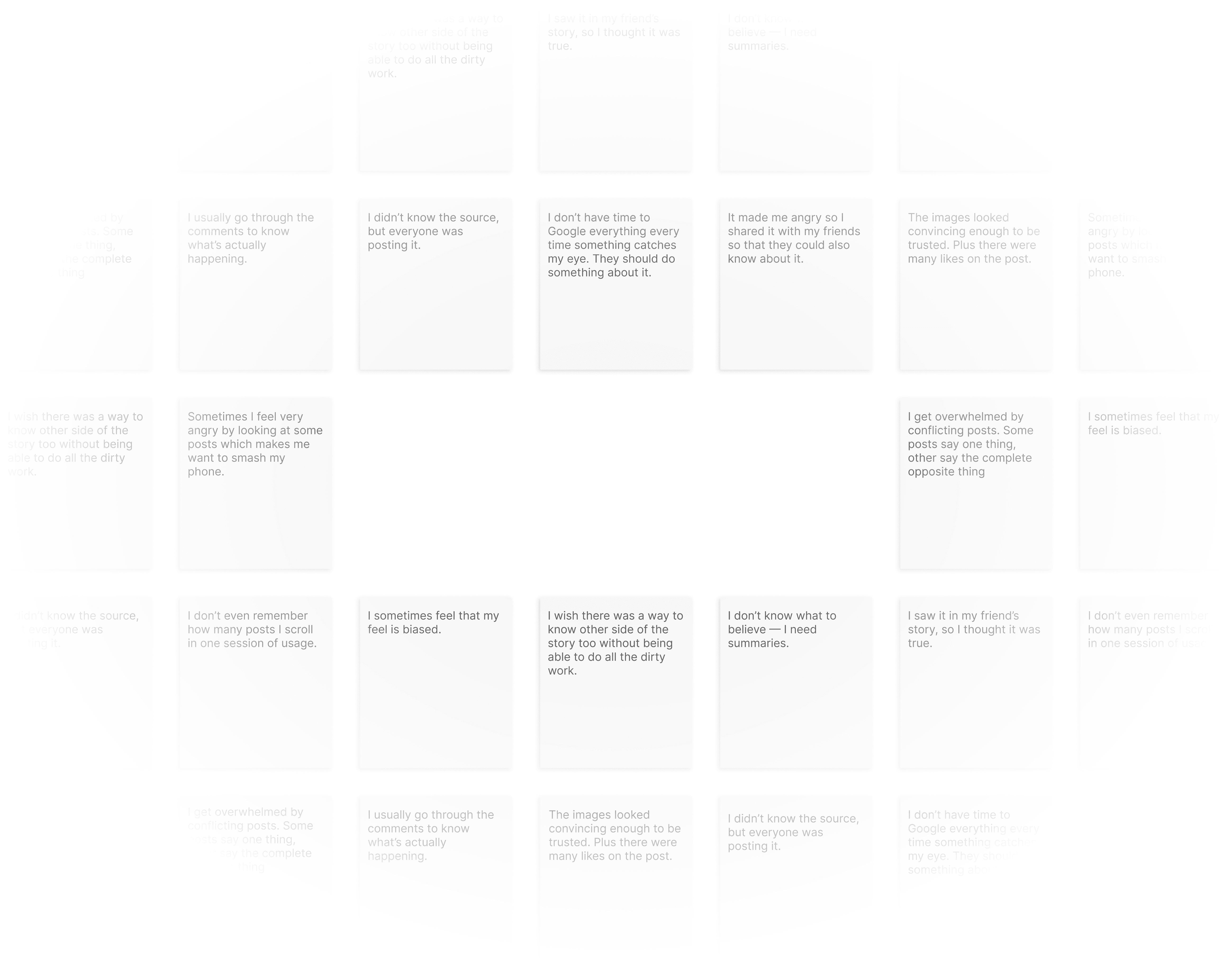
108
Raw Data Points from Surveys and Interviews
The patterns behind the problems — made clear, so the design could make sense.
So I put the pixels aside and picked up the research — with a mission to make Netflix feels way
Insights
Insights
Patterns That Made the
Problem Impossible to Ignore
Patterns That Made the
Problem Impossible to Ignore
The data didn’t just confirm the problem — it revealed a deeper behavioural shift. These five patterns surfaced again and again across interviews, surveys, and observation.
The data didn’t just confirm the problem — it revealed a deeper behavioural shift. These five patterns surfaced again and again across interviews, surveys, and observation.
The Surging Role of Social
Media as a News Gateway
01
For millions, social media isn’t a side-channel anymore. It’s the primary gateway to global events — unfiltered, emotional, and constantly updating.
The patterns behind the problems — made clear, so the design could make sense.
So I put the pixels aside and picked up the research — with a mission to make Netflix feels way
80%
of the participants said they “frequently” get news from Instagram or similar platforms.
The patterns behind the problems — made clear, so the design could make sense.
So I put the pixels aside and picked up the research — with a mission to make Netflix feels way
Visuals Drive Judgment
More Than Words
02
Short-form videos and memes trigger fast emotional responses — often bypassing rational evaluation completely.
The patterns behind the problems — made clear, so the design could make sense.
So I put the pixels aside and picked up the research — with a mission to make Netflix feels way
36.7%
of the participants primarily consume images/videos over full text.
The patterns behind the problems — made clear, so the design could make sense.
So I put the pixels aside and picked up the research — with a mission to make Netflix feels way
We Trust Our Instincts. Sometimes Too Much.
03
Most users are confident in their ability to spot fake news—but the data paints a very different picture.
The patterns behind the problems — made clear, so the design could make sense.
So I put the pixels aside and picked up the research — with a mission to make Netflix feels way
73%
of the participants believe they can spot misinformation confidently.
The patterns behind the problems — made clear, so the design could make sense.
So I put the pixels aside and picked up the research — with a mission to make Netflix feels way
50%
of the participants don’t read full headlines.
The patterns behind the problems — made clear, so the design could make sense.
So I put the pixels aside and picked up the research — with a mission to make Netflix feels way
Information Overload
Forces Snap Judgments
04
When cognitive load spikes, users default to emotion, familiarity, or speed — not accuracy.
The patterns behind the problems — made clear, so the design could make sense.
So I put the pixels aside and picked up the research — with a mission to make Netflix feels way
46.7%
of the participants feel overwhelmed by the volume of information.
The patterns behind the problems — made clear, so the design could make sense.
So I put the pixels aside and picked up the research — with a mission to make Netflix feels way
33.3%
of the participants feel that they don't have the time to verify the information.
The patterns behind the problems — made clear, so the design could make sense.
So I put the pixels aside and picked up the research — with a mission to make Netflix feels way
Users Want Context,
Not More Content
05
People don’t want to be told what to think, but they want to understand the 'Why?' behind it.
The patterns behind the problems — made clear, so the design could make sense.
So I put the pixels aside and picked up the research — with a mission to make Netflix feels way
93.4%
of the participants want background information when they see a claim.
The patterns behind the problems — made clear, so the design could make sense.
So I put the pixels aside and picked up the research — with a mission to make Netflix feels way
96.6%
of the participants want tools that show multiple viewpoints.
The patterns behind the problems — made clear, so the design could make sense.
So I put the pixels aside and picked up the research — with a mission to make Netflix feels way
User personas
User personas
From Research
to Empathy
From Research to Empathy
From Research
to Empathy
The research truly came alive when I met the real people behind the numbers. Three vivid user archetypes emerged—each with unique habits, frustrations, and motivations. Knowing who feels the pain is just as crucial as knowing where it hurts.
The research truly came alive when I met the real people behind the numbers. Three vivid user archetypes emerged—each with unique habits, frustrations, and motivations. Knowing who feels the pain is just as crucial as knowing where it hurts.

Rohan
Age
22
Profession
College Student
Location
Bangalore
pain Points
Feels overwhelmed by the volume of rapid-fire content in his feed.
Overestimates his ability to spot misinformation, but rarely reads beyond the surface.
User Needs
A quick way to judge the credibility of a post without leaving the feed.
Tools that help him slow down and reflect before sharing anything further.
Design Implications
Add simple, trustworthy visual credibility cues directly on posts.
Introduce light “friction prompts” before resharing potentially misleading content.
Paula
Age
28
Profession
Research Analyst
Location
London
pain Points
Struggles to distinguish opinion from fact during fast scrolling.
Distrusts “black-box” fact-checks that don’t explain how decisions are made.
User Needs
Access to clear context that explains background and differing viewpoints.
Tools that feel transparent and help her explore multiple sides of a story.
Design Implications
Design context overlays summarising perspectives around a claim.
Add explainable-AI features that clarify why a post was flagged or reviewed.

Giulia
Age
19
Profession
Design Student
Location
Milan
pain Points
Easily swayed by emotionally charged visuals and short-form videos.
Finds it difficult to verify the origin or authenticity of media she encounters.
User Needs
An intuitive, built-in way to check where an image or video comes from.
Contextual information that appears directly on visual content, not buried below.
Design Implications
Add pop-ups on viral images that show source details and credibility signals.
Present lightweight fact-checks and alternate perspectives beside visuals.

Rohan
Age
22
Profession
College Student
Location
Bangalore
pain Points
Feels overwhelmed by the volume of rapid-fire content in his feed.
Overestimates his ability to spot misinformation, but rarely reads beyond the surface.
User Needs
A quick way to judge the credibility of a post without leaving the feed.
Tools that help him slow down and reflect before sharing anything further.
Design Implications
Add simple, trustworthy visual credibility cues directly on posts.
Introduce light “friction prompts” before resharing potentially misleading content.
Paula
Age
28
Profession
Research Analyst
Location
London
pain Points
Struggles to distinguish opinion from fact during fast scrolling.
Distrusts “black-box” fact-checks that don’t explain how decisions are made.
User Needs
Access to clear context that explains background and differing viewpoints.
Tools that feel transparent and help her explore multiple sides of a story.
Design Implications
Design context overlays summarising perspectives around a claim.
Add explainable-AI features that clarify why a post was flagged or reviewed.
Giulia
Age
19
Profession
Design Student
Location
Milan
pain Points
Easily swayed by emotionally charged visuals like short-form videos or images.
Finds it difficult to verify the origin or authenticity of media she encounters.
User Needs
An intuitive, built-in way to check where an image or video comes from.
Contextual information that appears directly on visual content, not buried below.
Design Implications
Add pop-ups on viral images that show source details and credibility signals.
Present lightweight fact-checks and alternate perspectives beside visuals.
Rohan
Age
22
Profession
College Student
Location
Bangalore
pain Points
Feels overwhelmed by the volume of rapid-fire content in his feed.
Overestimates his ability to spot misinformation, but rarely reads beyond the surface.
User Needs
A quick way to judge the credibility of a post without leaving the feed.
Tools that help him slow down and reflect before sharing anything further.
Design Implications
Add simple, trustworthy visual credibility cues directly on posts.
Introduce light “friction prompts” before resharing potentially misleading content.
Paula
Age
28
Profession
Research Analyst
Location
London
pain Points
Struggles to distinguish opinion from fact during fast scrolling.
Distrusts “black-box” fact-checks that don’t explain how decisions are made.
User Needs
Access to clear context that explains background and differing viewpoints.
Tools that feel transparent and help her explore multiple sides of a story.
Design Implications
Design context overlays summarising perspectives around a claim.
Add explainable-AI features that clarify why a post was flagged or reviewed.
Giulia
Age
19
Profession
Design Student
Location
Milan
pain Points
Easily swayed by emotionally charged visuals and short-form videos.
Finds it difficult to verify the origin or authenticity of media she encounters.
User Needs
An intuitive, built-in way to check where an image or video comes from.
Contextual information that appears directly on visual content, not buried below.
Design Implications
Add pop-ups on viral images that show source details and credibility signals.
Present lightweight fact-checks and alternate perspectives beside visuals.

Marcus
Age
22
Profession
College Student
Location
Berlin
pain Points
Gets overwhelmed by content which makes it hard to decide what to watch.
Frequently sees shows he has already finished or abandoned, making the homepage feel repetitive.
User Needs
A quick, in-app way to judge whether a show is worth watching without leaving Netflix.
A cleaner, more dynamic homepage that updates based on his real watch history.
Design Implications
Integrate IMDb ratings directly into the UI to reduce external app switching.
Add a “Hide Watched Content” feature to declutter the browsing experience.
Amy
Age
30
Profession
Marketing
Location
Dublin
pain Points
Feels current filters are too generic, making it hard to narrow down options to her preferences.
Gets frustrated when recommendations feel repetitive or not tailored to her viewing habits.
User Needs
Comprehensive filters that help her refine results by ratings, genre, audio & subtitle language options.
Recommendations that stay fresh, relevant, and aligned with her viewing history.
Design Implications
Expand Netflix’s filter system to support advanced and detailed criteria.
Improve recommendation logic to surface personalised content while avoiding redundancy.
04. Design Discovery
The Art of Making the
Invisible Visible
The Art of Making the
Invisible Visible
Before designing solutions, I needed to transform an abstract issue — misinformation — into something users could actually see, feel, and act on.
This sprint focused on turning invisible cognitive problems into tangible interface behaviours. Not more information. More clarity.
Before designing solutions, I needed to transform an abstract issue — misinformation — into something users could actually see, feel, and act on.
This sprint focused on turning invisible cognitive problems into tangible interface behaviours. Not more information. More clarity.
Discovery
Sprint 1
Discovery Sprint 1
Discovery
Sprint 1
The first sprint was about bridging research insights with early interactions. Each prototype asked a simple question:
This sprint was all about stripping things
If credibility is invisible… can we make it visible without overwhelming the user?
If credibility is invisible… can we make it visible without overwhelming the user?
intuitive, more predictable,
Through iterative exploration, patterns emerged — cues that helped users slow down, understand context, and make decisions with more confidence and less friction.
Through iterative exploration, patterns emerged — cues that helped users slow down, understand context, and make decisions with more confidence and less friction.
By testing early ideas and cutting anything that created friction, I built a direction that
Outcomes
Surveys & Interviews
Outcomes
Clarity — Surfacing credibility signals directly in the feed without breaking the scroll.
Context — Helping users compare perspectives before emotional reaction takes over.
Control — Allowing users to understand why something is shown, not just what is shown.
Clarity — Reducing noise and improving decision-making.
Control — Empowering users with meaningful filters and toggles
Consistency — Establishing predictable interaction patterns
This sprint aligned the redesign around three essentials:
Clarity — Reducing noise and improving decision-making.
Control — Empowering users with meaningful filters and toggles
Consistency — Establishing predictable interaction patterns
This sprint aligned the redesign around three essentials:
Clarity — Reducing noise and improving decision-making.
Control — Empowering users with meaningful filters and toggles
Consistency — Establishing predictable interaction patterns
UX Strategy
UX Strategy
UX Strategy
Hick's Law
Less effort. Faster judgement.
By surfacing only the most essential credibility cues — score, claim type, and source — the design lowers cognitive load and helps users evaluate a post in seconds, not minutes.
Jakob's Law
Feels new, behaves familiar.
Every intervention mimics Instagram’s native patterns: bottom sheets, swipeable tabs, pill labels, and card behaviours. This ensures new credibility tools feel instantly intuitive, reducing friction and boosting adoption.
Occam's Razor
Clarity over complexity.
Each added element — badges, overlays, timelines — had to justify its presence with a measurable clarity gain. No noise. No moralising. Only the simplest version of what helps users make a better-informed choice.
Aesthetic–Usability Effect
Calm visuals = higher trust.
A dark, neutral palette and soft motion keep credibility checks from feeling punitive or overwhelming. When design feels calm, users feel open — making them more willing to engage with context rather than dismiss it.
Hick's Law
Less effort. Faster judgement.
By surfacing only the most essential credibility cues — score, claim type, and source — the design lowers cognitive load and helps users evaluate a post in seconds, not minutes.
Jakob's Law
Feels new, behaves familiar.
Every intervention mimics Instagram’s native patterns: bottom sheets, swipeable tabs, pill labels, and card behaviours. This ensures new credibility tools feel instantly intuitive, reducing friction and boosting adoption.
Occam's Razor
Clarity over complexity.
Each added element — badges, overlays, timelines — had to justify its presence with a measurable clarity gain. No noise. No moralising. Only the simplest version of what helps users make a better-informed choice.
Aesthetic–Usability Effect
Calm visuals = higher trust.
A dark, neutral palette and soft motion keep credibility checks from feeling punitive or overwhelming. When design feels calm, users feel open — making them more willing to engage with context rather than dismiss it.
Hick's Law
Less effort. Faster judgement.
By surfacing only the most essential credibility cues — score, claim type, and source — the design lowers cognitive load and helps users evaluate a post in seconds, not minutes.
Jakob's Law
Feels new, behaves familiar.
Every intervention mimics Instagram’s native patterns: bottom sheets, swipeable tabs, pill labels, and card behaviours. This ensures new credibility tools feel instantly intuitive, reducing friction and boosting adoption.
Occam's Razor
Clarity over complexity.
Each added element — badges, overlays, timelines — had to justify its presence with a measurable clarity gain. No noise. No moralising. Only the simplest version of what helps users make a better-informed choice.
Aesthetic–Usability Effect
Calm visuals = higher trust.
A dark, neutral palette and soft motion keep credibility checks from feeling punitive or overwhelming. When design feels calm, users feel open — making them more willing to engage with context rather than dismiss it.
Hick's Law
Less effort. Faster judgement.
By surfacing only the most essential credibility cues — score, claim type, and source — the design lowers cognitive load and helps users evaluate a post in seconds, not minutes.
Jakob's Law
Feels new, behaves familiar.
Every intervention mimics Instagram’s native patterns: bottom sheets, swipeable tabs, pill labels, and card behaviours. This ensures new credibility tools feel instantly intuitive, reducing friction and boosting adoption.
Occam's Razor
Clarity over complexity.
Each added element — badges, overlays, timelines — had to justify its presence with a measurable clarity gain. No noise. No moralising. Only the simplest version of what helps users make a better-informed choice.
Aesthetic–Usability Effect
Calm visuals = higher trust.
A dark, neutral palette and soft motion keep credibility checks from feeling punitive or overwhelming. When design feels calm, users feel open — making them more willing to engage with context rather than dismiss it.
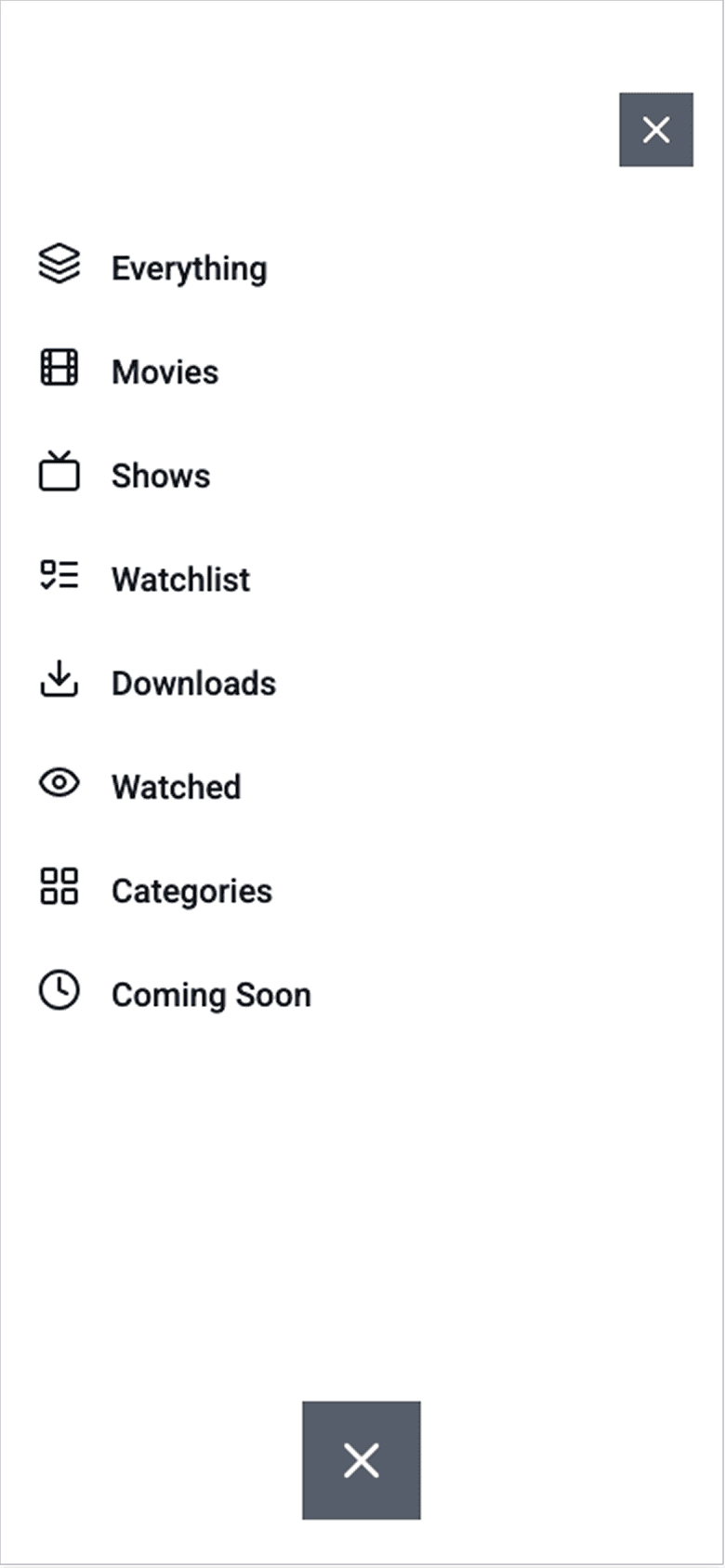
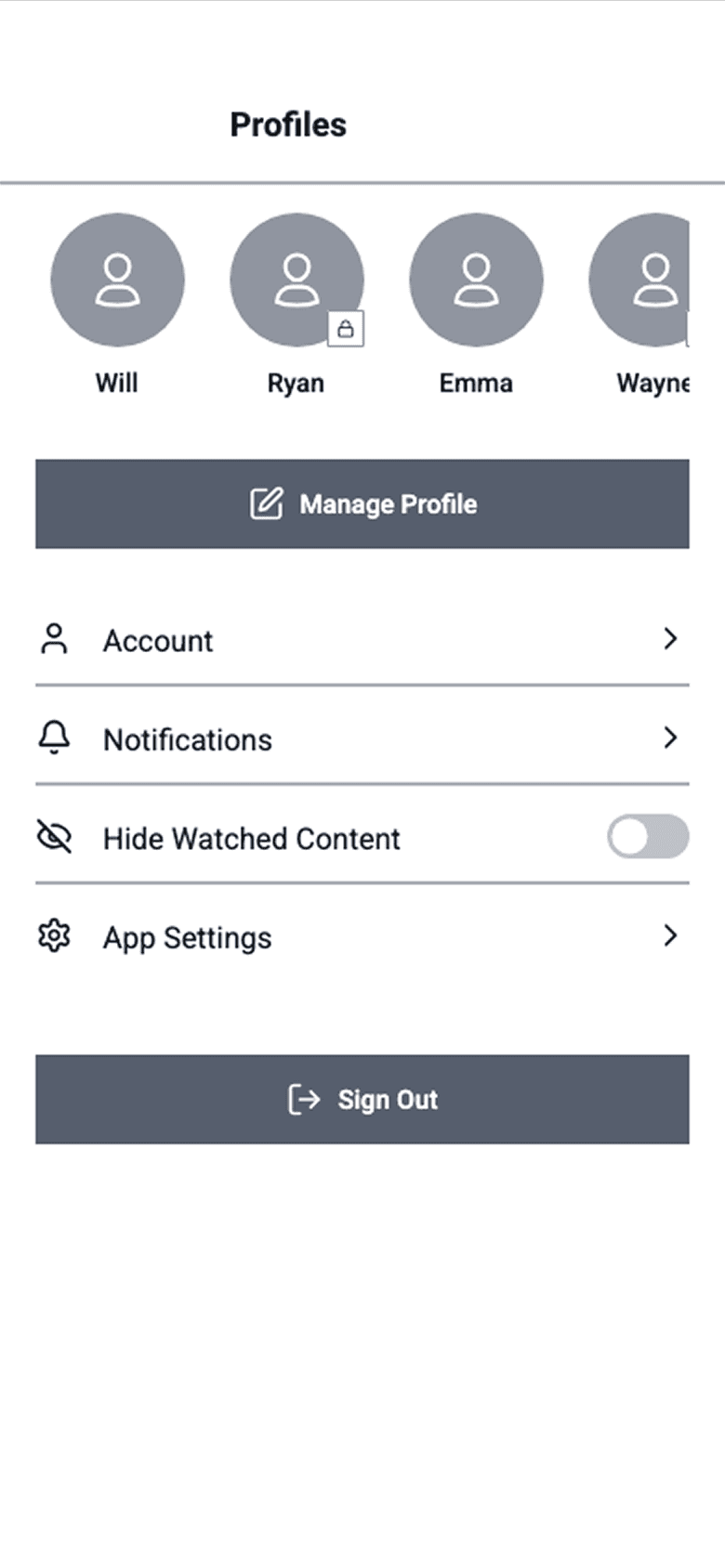
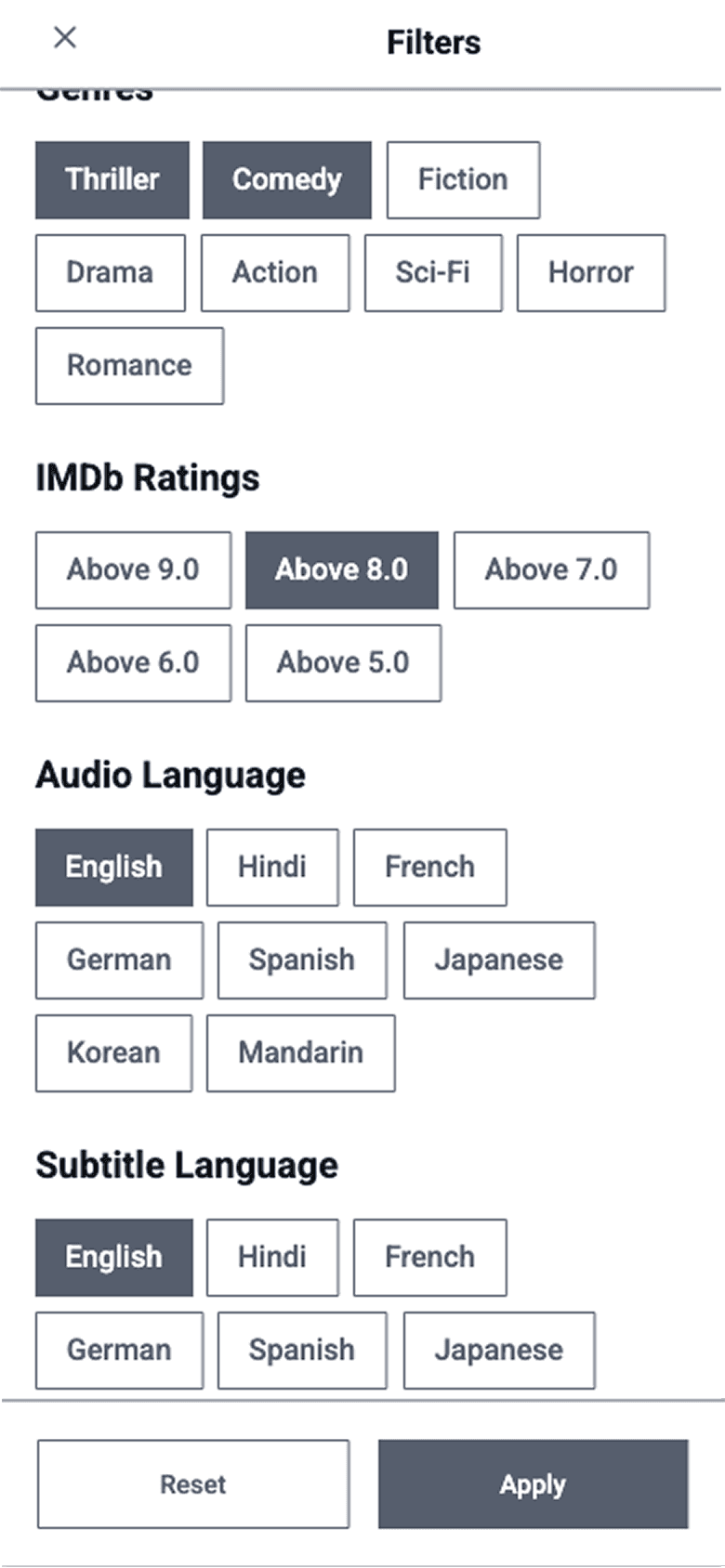
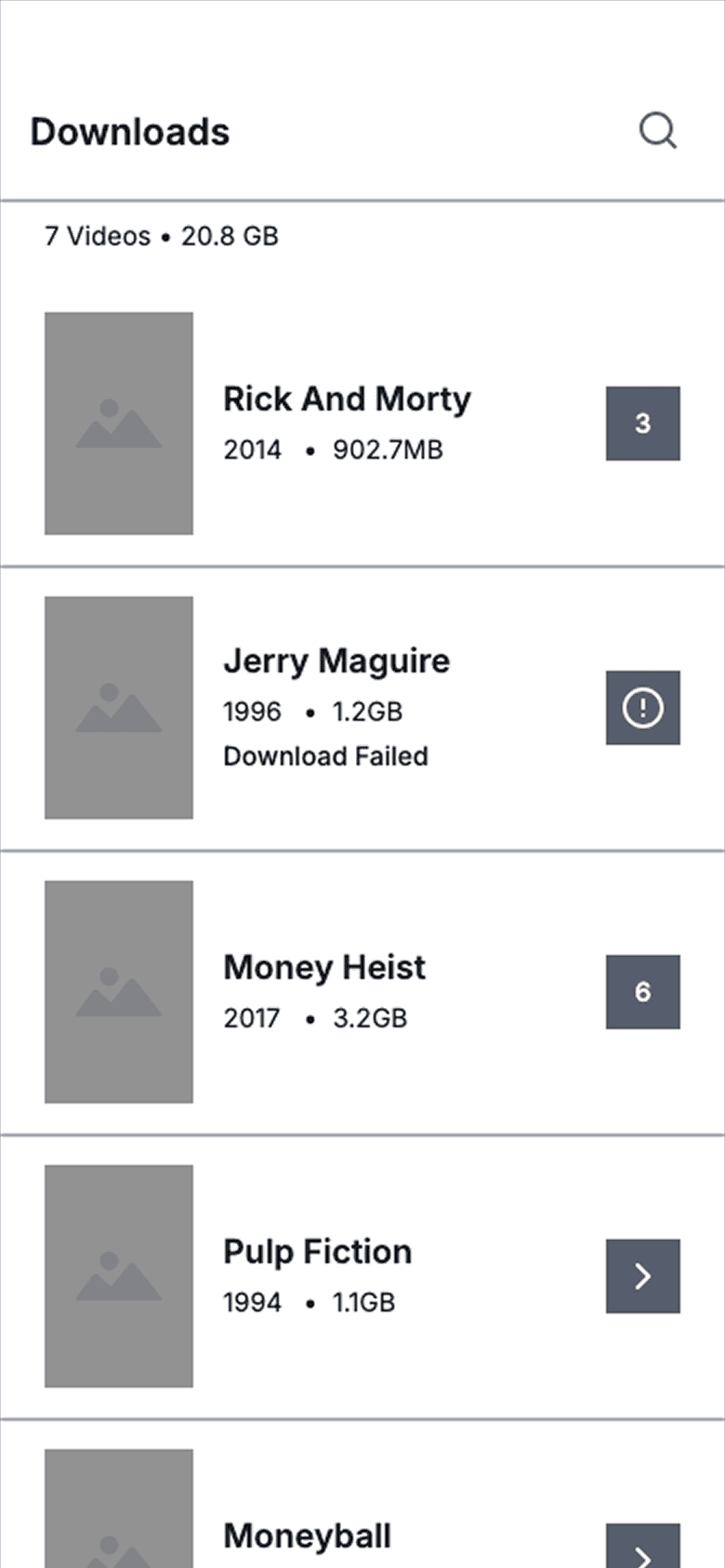
Low-Fidelity Wireframes
Low-Fidelity Wireframes
The First Clues of Clarity
The First Clues of Clarity
The First Clues of Clarity
These early explorations formed the foundation of the final system — simple, legible, and behaviour-driven rather than content-heavy.
These early explorations formed the foundation of the final system — simple, legible, and behaviour-driven rather than content-heavy.
So I put the pixels aside and picked up the research — with a mission to make Netflix feels way
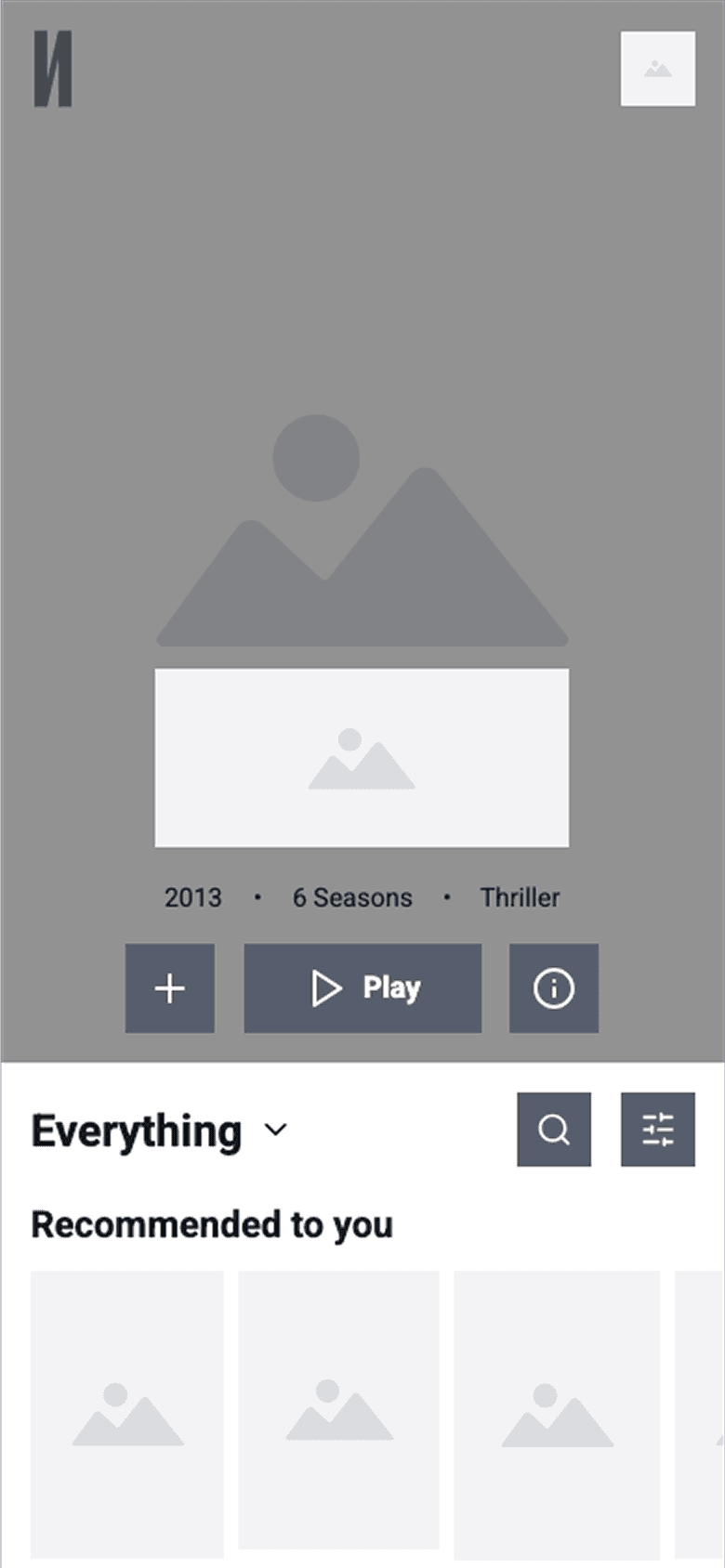

Design concepts
Design concepts
Bringing the Vision
Into Focus
Bringing the Vision
Into Focus
Bringing the Vision
Into Focus
As the concepts matured, three pillars emerged — each one addressing a psychological barrier revealed in your thesis data:
As the concepts matured, three pillars emerged — each one addressing a psychological barrier revealed in your thesis data:
So I put the pixels aside and picked up the research — with a mission to make Netflix feels way
Users don’t need
Users don’t need
Users don’t need
warnings.
warnings.
warnings.
They need
They need
They need
context.
They need
They need
They need
signals.
They need
They need
They need
a feed that helps them
think, not just react.
think, not just react.
think, not just react.
Credibility Indicator
Credibility Indicator
Decision Fatigue from Overwhelming & Repetitive Content
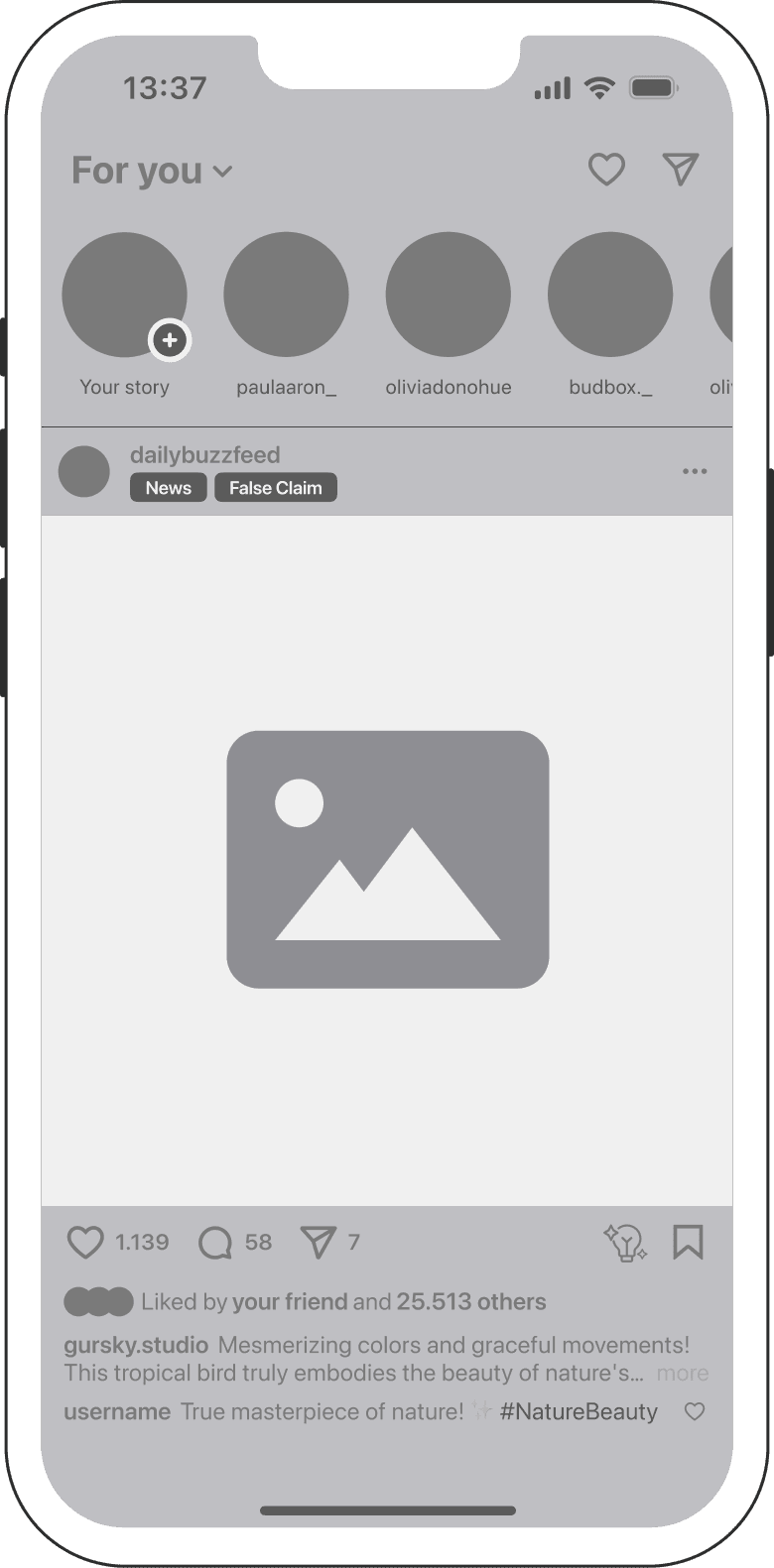
A subtle nudge with outsized impact. A lightweight label attached directly to posts — offering a quick, glanceable sense of source quality, expertise, and transparency.
A subtle nudge with outsized impact. A lightweight label attached directly to posts — offering a quick, glanceable sense of source quality, expertise, and transparency.
Context Layers
Context Layers
Decision Fatigue from Overwhelming & Repetitive Content
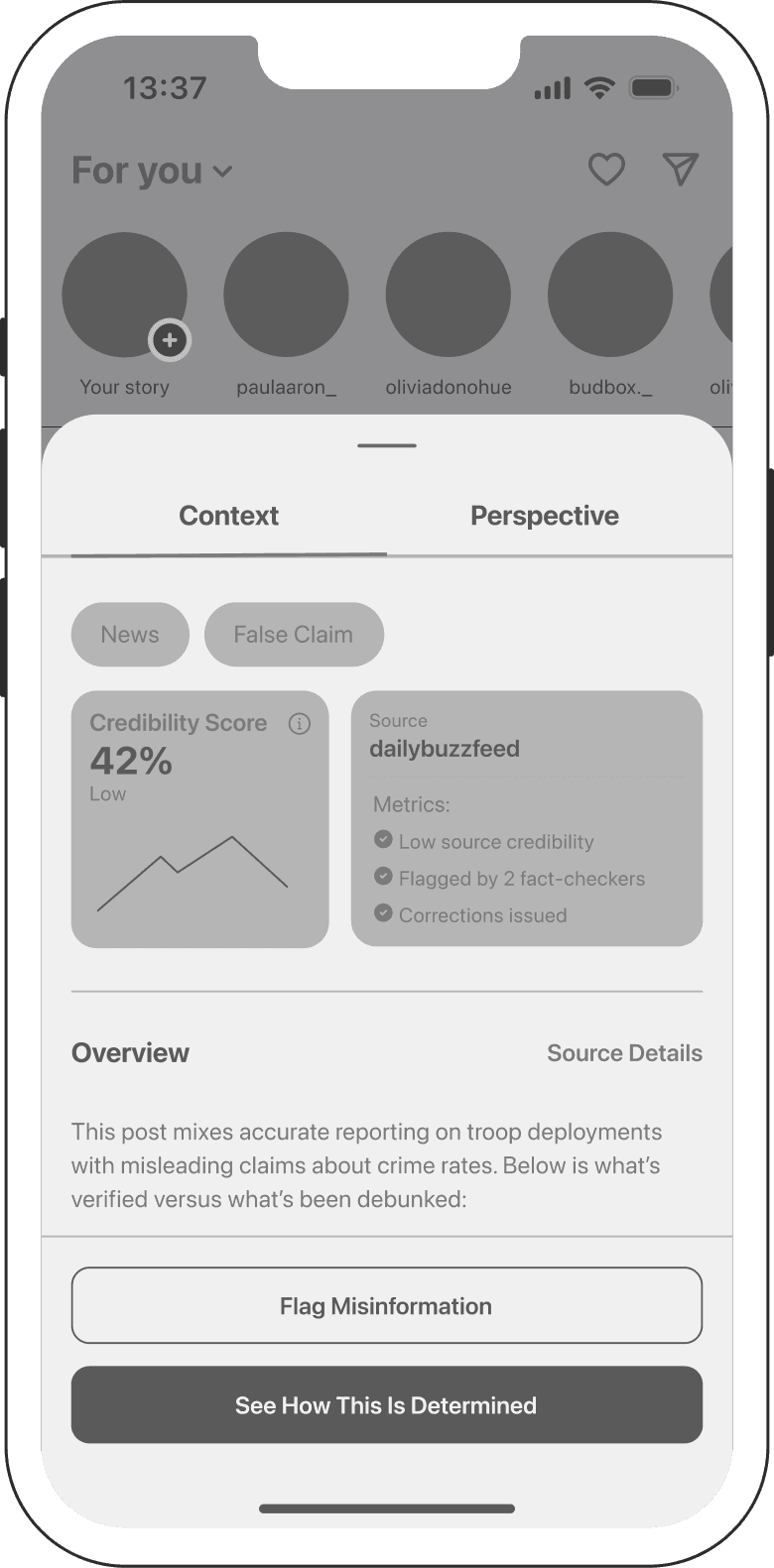
Context without breaking the scroll. When a post might trigger emotional reactions or spread quickly, users can tap for a deeper layer — showing timelines, key facts, and multiple viewpoints.
Context without breaking the scroll. When a post might trigger emotional reactions or spread quickly, users can tap for a deeper layer — showing timelines, key facts, and multiple viewpoints.
Perspective Overlay
Perspective Overlay
Decision Fatigue from Overwhelming & Repetitive Content
One story, many sides. Instead of treating posts as single truths, this micro-interaction lets users swipe to instantly see alternative angles — verified sources, how they're framing the event, etc.
One story, many sides. Instead of treating posts as single truths, this micro-interaction lets users swipe to instantly see alternative angles — verified sources, how they're framing the event, etc.
05. Design enhancements
05. Design enhancements
Refining What Matters
Refining What Matters
Refining What Matters
Refining What Matters
In this discovery sprint, I focused on stripping away noise and elevating clarity. By grounding decisions in research and testing early concepts, I ensured the redesign remained intuitive, user-friendly, and aligned with real viewing behaviours. The goal wasn’t to reinvent Netflix — it was to make it feel lighter, smarter, and more predictable.
Discovery
Sprint 2
Discovery Sprint 2
Discovery
Sprint 2
In this sprint, the work shifted from exploring
In this sprint, the focus shifted from
In this sprint, the focus shifted from
experience.
problems to
spotting problems to
spotting problems to
sharpening the experience.
elevating the
elevating the
experience.
Small, intentional refinements that help people
Small, intentional refinements that help people
Small, intentional refinements that help people
judge information with
judge information with
judge information with
clarity, confidence, and
lighter
far less cognitive load.
lighter and a lot less work to use.
, smarter, and a lot less work to use.
What I Refined
Surveys & Interviews
What I Refined
Clearer credibility cues — visual signals that feel native to Instagram’s language.
Faster truth-verification flows — panels that load instantly, reducing friction.
Respectful transparency — explanation without any bias.
A calmer information rhythm — structured overlays that guide evaluation step-by-step.
Navigation that makes sense — clearer paths, fewer surprises.
Decisions that happen faster — cleaner layouts & real signals like IMDb.
A more intuitive rhythm — predictable flows, calmer visuals.
This sprint aligned the redesign around three essentials:
Clarity — Reducing noise and improving decision-making.
Control — Empowering users with meaningful filters and toggles
Consistency — Establishing predictable interaction patterns
This sprint aligned the redesign around three essentials:
Clarity — Reducing noise and improving decision-making.
Control — Empowering users with meaningful filters and toggles
Consistency — Establishing predictable interaction patterns